Scope first
Time depends on the condition of the car

Mobile detailing
Machine polishing that removes defects rather than filling them. The paint is measured before anything touches it, because clear coat is finite.
Reviewed by Colorado Springs drivers · See testimonials
Scope first
Time depends on the condition of the car
5
Steps, start to finish
$0today
Quotes are free
What to expect
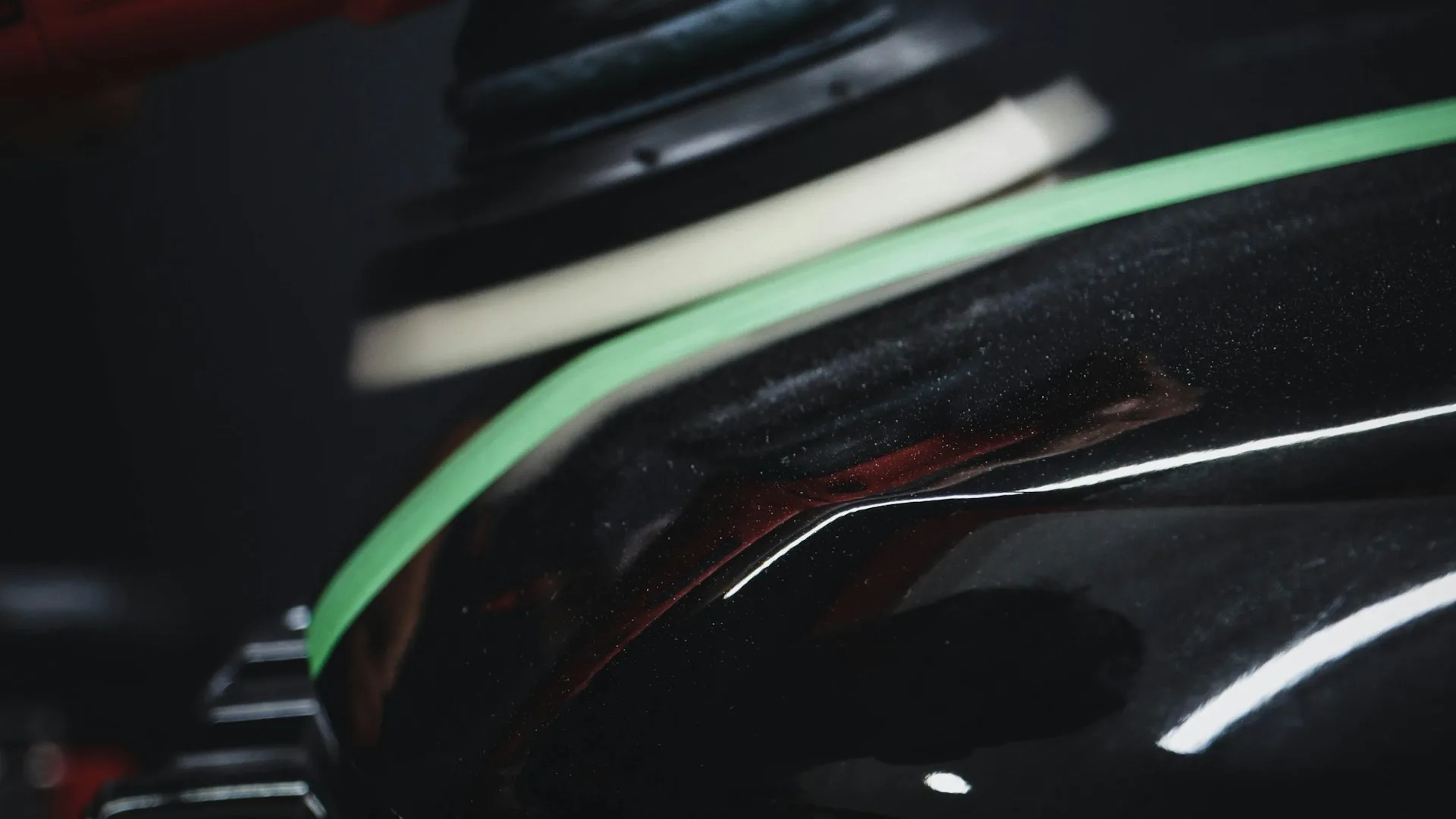
Paint correction is machine polishing. We level a very thin layer of the clear coat so that scratches stop catching the light — that is what makes paint look wet instead of just clean. It takes out swirl marks from washing, light scratches, and dull oxidized paint.
This is the line that separates correction from a glaze or an all-in-one product. Filling makes a car look corrected for a few weeks until the filler washes out and the swirls come back exactly as they were. Correction removes the damaged layer, so what you see afterwards is the actual condition of the paint, permanently — until new damage is put into it.
The first step is inspection and measurement, and it is not a formality. Clear coat is typically somewhere around 40 to 50 microns — thinner than a sheet of paper — and every correction removes a few of them. That thickness is finite and it does not grow back. A panel that has been corrected aggressively three times may have very little left to work with, and polishing through the clear coat is not a mistake that can be undone; it means a respray.
Measuring tells us how much material is actually there, and therefore how far we can safely go. It also tells us when a car has been repainted before, which changes the approach entirely. A shop that starts polishing without knowing this is guessing with something that cannot be replaced.
"Multi-stage" means the aggressiveness is chosen for the defect and the paint, not applied uniformly. Paint hardness varies enormously between manufacturers — some German clear coats are hard enough to resist a compound that would be far too harsh for a soft Japanese finish. A heavier cutting stage removes the defect; a refining stage removes the haze the cutting stage leaves behind. Skipping the second stage is how a car ends up looking bright in the shade and full of micro-marring in direct sun.
Swirl marks — the fine spiderweb pattern you see under a streetlight — come out. They are almost always wash damage: automatic brushes, dirty wash mitts, a single bucket without a grit guard. Wash marring comes out. Light scratches come out. Oxidized, faded, chalky paint is brought back.
What will not come out is anything that has gone through the clear coat. The honest test is your fingernail: if you can catch a scratch with it, it is deeper than the clear coat and correction can improve how it looks but cannot erase it. Rock chips are not correctable — they are missing paint, not damaged paint. Deep scratches from a key or a branch usually fall in the same category.
We would rather tell you this while looking at the car than have you discover it on collection day.
Two things again. Ultraviolet exposure at six thousand feet is stronger than at sea level, and UV is what breaks down the resins in clear coat, producing the dull, faded, slightly chalky look that older red and black cars get here. And the winter grit that magnesium chloride brine leaves behind is abrasive — every wash during those months is an opportunity to grind it across the paint.
The result is that a five-year-old car in Colorado Springs often has more visible paint defect than a ten-year-old car somewhere milder.
Correction leaves the clear coat bare and freshly exposed, so the last step is sealing the work to protect it. For many cars this is also the natural moment to discuss a ceramic coating: correction is what a coating should be applied over, and doing them in that order means you are locking in corrected paint rather than sealing in the swirls.
The $795 to $995 range depends on the size of the vehicle and, far more, on the condition of the paint and how many stages it will take. We look at it, measure it, tell you honestly what will come out and what will not, and price it from there. The quote is free and there is no deposit to ask for one.
5 steps, start to finish.
Booking clarity
Your deposit is shown in review, before checkout begins.
Refund policyLast-minute bookings may need full payment up front. Cancellation timing stays clear either way.
Cancellation policyBook as guest now and create an account after confirmation if you want self-service management later.
Create an accountBefore you book
No. We arrive with water, power and every product on board, so all we need is room to work next to the vehicle.
Either one. We come to your home or office anywhere in the Colorado Springs area, or you can drop the car off with us — you pick which one when you book, and the drop-off address is on screen before you pay.
$199.99 to $599.99, depending on the size and condition of the vehicle. You see the exact amount on screen before you pay anything.
5 steps: Paint inspected and measured before we start; Multi-stage machine polish, matched to your paint; Swirl marks, wash marring and light scratches removed; Oxidized, faded paint brought back; and Finish sealed to protect the work.
You can change or cancel online any time up to 48 hours before your appointment. Inside that 48-hour window, contact us directly and we will help.


